中風步態 (六):避痛步態
對一般人來說,走路是一件再普通不過的事,但腦傷後的肢體偏癱,讓走路就變得相當困難。要能走得好就牽涉到許多因素影響。在介紹中風步態前,先了解中風後影響步態的四大系統,來看看是什麼因素影響了步態的改變。
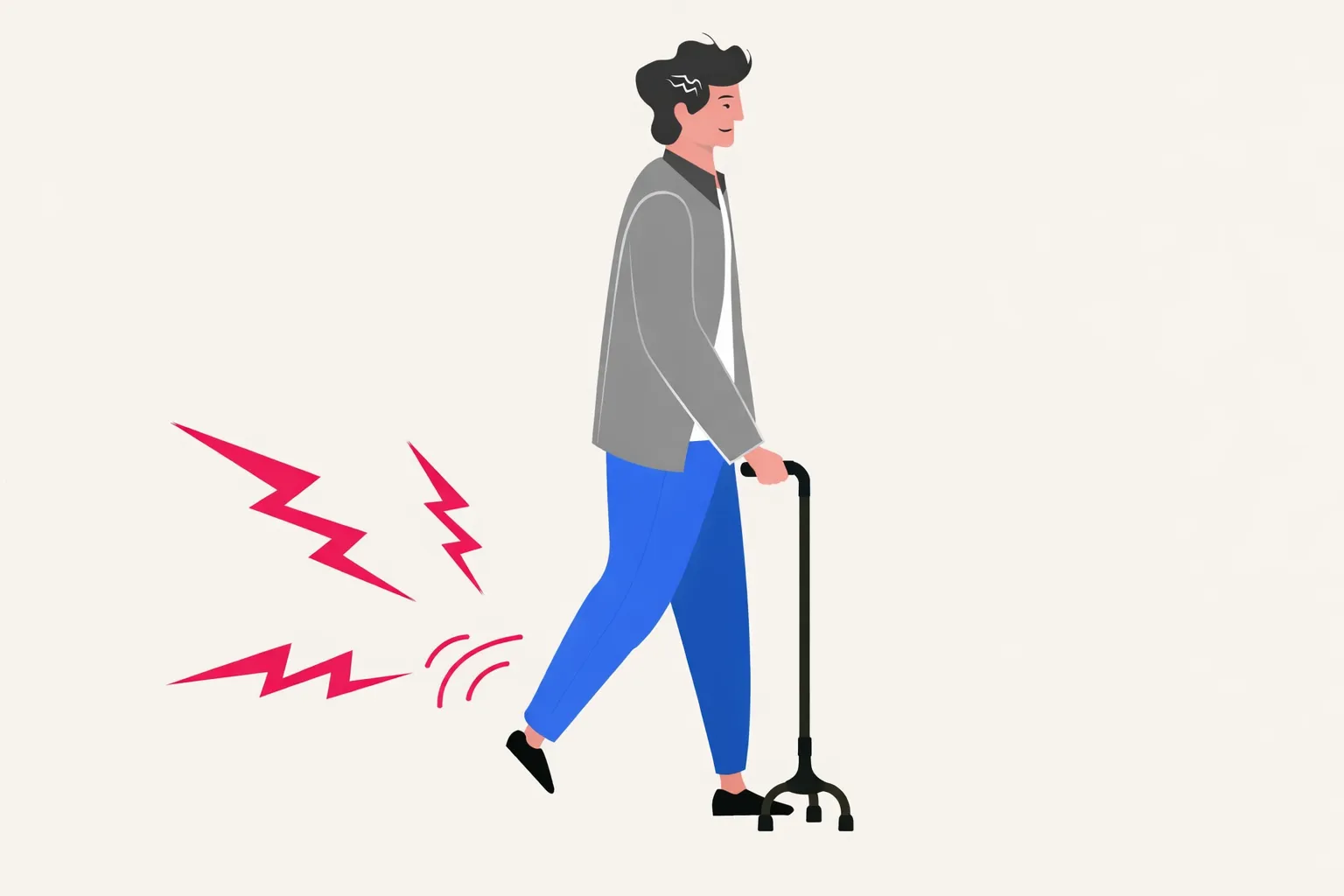
避痛步態(Antalgic Gait),顧名思義是指為了避免疼痛而產生的步態,屬於自我保護性的走路方式,最常見的表現是患側支撐的時間(stance phase)變少,導致步態不對稱。
避痛步態在一般人身體/肢體有疼痛的狀況也會發生,不僅僅只在中風患者身上觀察得到,中風後最常見的步態障礙主要還是因為偏癱、痙攣、異常的協同肌群活化、以及感覺缺損所造成的環繞式步態、膝過伸步態、髖外旋步態、臀中肌步態、跳躍式步態等。
避痛步態除了會讓患側支撐(stance phase)時間變短,常見也會讓健側擺盪(swing phase)的時間減少,導致步長(step length)變短、步行速度降低、和步頻(cadence)變少,有些人則會利用身體的側傾去避免疼痛。
中風後的肌肉骨骼疼痛相當常見,包括肩痛(通常與半脫位或旋轉肌袖病變有關)、下肢疼痛(髖、膝、足部)、痙攣相關疼痛,以及複雜性局部疼痛症候群(CRPS)。慢性下肢疼痛在偏癱側較為常見,且與較差的活動能力、較低的社會參與度、較慢的步行速度,以及在可行走的中風倖存者中更頻繁使用輔具有關。
在中風後復健過程,應優先進行全面性的疼痛評估與處理,因疼痛會惡化行走的功能,進而影響生活品質。
參考資料:
1. Post-Stroke Hemiplegic Gait: New Perspective and Insights. Frontiers in Physiology. 2018.
2. Patterns and Assessment of Spastic Hemiplegic Gait. Muscle & Nerve. 2024.
3. Gait Post-Stroke: Pathophysiology and Rehabilitation Strategies. Neurophysiologie Clinique = Clinical Neurophysiology. 2015.
4. Gait Disturbances in Patients With Stroke. PM & R : The Journal of Injury, Function, and Rehabilitation. 2014. 5. Hemiparetic Gait. Physical Medicine and Rehabilitation Clinics of North America. 2015.
6. Characterization of Lower Extremity Pain in Ambulatory Individuals After Stroke. Archives of Physical Medicine and Rehabilitation. 2026.
7. Post Stroke Pain: Identification, Assessment, and Therapy. Cerebrovascular Diseases. 2015.